| Autor: |
Leyva-López, R., Estrada-Fernández, A.G., Carreño-Márquez, I.J.A., Hernández-OrtizLeyva-López, R., Estrada-Fernández, A.G., Carreño-Márquez, I.J.A., Hernández-Ortiz, O.J., León-López, A., O.J., León-López, A. |
| Descripción: |
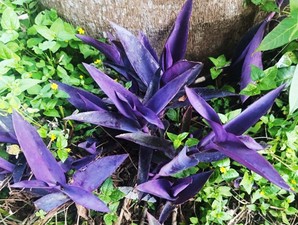
Medicinal plants represent a significant asset to human societies, reflecting the knowledge accumulated over successive generations. These plants have played a crucial role in the development of therapeutic compounds, offering a valuable resource for healthcare. In Mexico, a variety of plant species have been identified as natural alternatives, offering remedies for a wide range of illnesses and conditions in traditional medicine. These remedies have been used to treat ailments such as headaches, diarrhea, stomach aches, athlete's foot, wound healing, insect bites, colds, urinary tract infections, and coughs, as well as to promote wound healing. The use of plants for medicinal purposes constitutes a prevalent practice in Mexico. The resurgence of interest in plants as alternative remedies or traditional medicine is attributable to their readily available natural components, reduced incidence of adverse effects, and the perception in numerous cultures that they are safe and efficacious in numerous cultures. The main objective of this work is to collect and analyze the ethnobotanical, phytochemical, and pharmacological information reported on six plant species of great cultural relevance in the Sierra Norte of Puebla: Hamelia patens, Eryngium heterophyllum, Mimosa tenuiflora, Tradescantia spathacea, Justicia spicigera, and Tradescantia pallida. A review of the scientific literature was conducted by searching and selecting papers from indexed databases. Studies focused on the traditional use, phytochemical profiles, and biological activities of the six selected plants were analyzed. Information was obtained on the therapeutic activities and biological properties of the plants, which are related to chemical compounds synthesized by their metabolism, called phytochemicals. Phytochemicals isolated from various parts of the plant, such as seeds, leaves, flowers, fruits, stems, and roots, have been used in alternative medicine as a source of bioactive compounds, including alkaloids, steroids, phytosterols, saponins, coumarins, essential oils, terpenes, and phenolic compounds such as flavonoids, tannins, rosmarinic and phenolic acids, glycosides, and others. These compounds exhibit result in a broad spectrum of biological activities, including antimicrobial, antibiotic, antioxidant, antiparasitic, antiviral, anticancer, anti-inflammatory, analgesic, antidiabetic, antidepressant, neuroprotective, antinociceptive, cardioprotective, hypoglycemic, and cytotoxic effects. The main contribution of this work lies in the integration and systematization of modern scientific evidence that validates the specific traditional uses of some plants from the Sierra Norte de Puebla. This review not only recovers the biocultural knowledge of the region but also provides a critical scientific basis.
Keywords: antioxidant, bioactive compounds, medicinal plants, phytochemical.
|